
Are hybrid vehicles really fuel-efficient?
Advertisement
With the increase of environmental awareness and the fluctuation of fuel prices, hybrid electric vehicles (HEV) have gradually become the focus of consumers. It is widely promoted as a "fuel-saving" solution, but can it really achieve the expected fuel-saving effect?
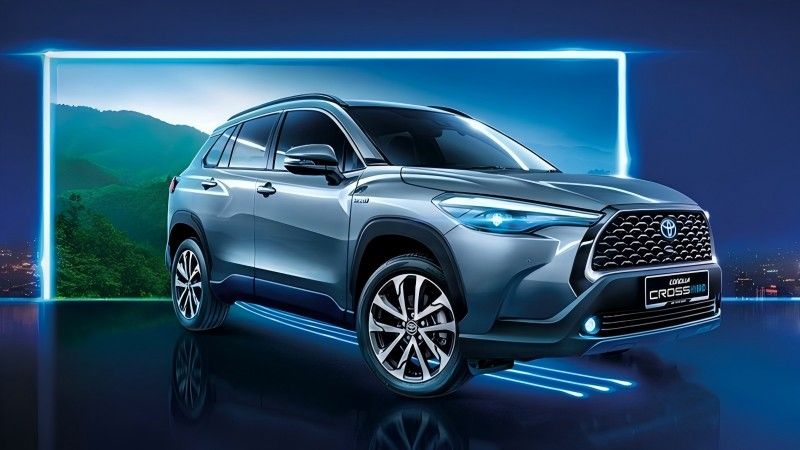
How hybrid vehicles work
Advertisement
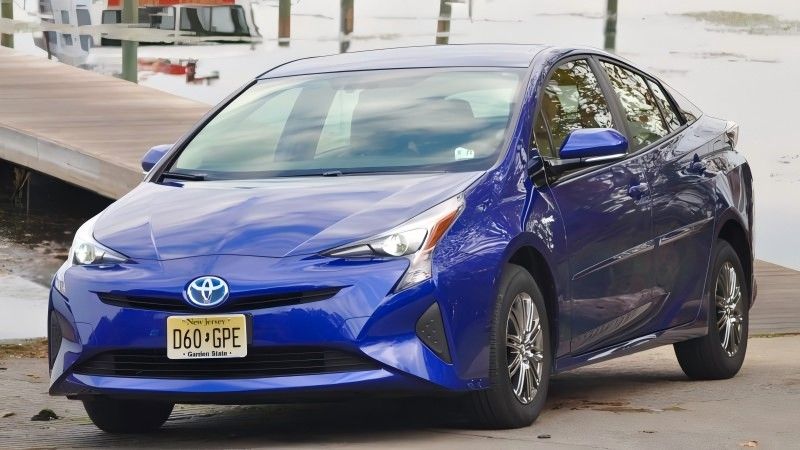
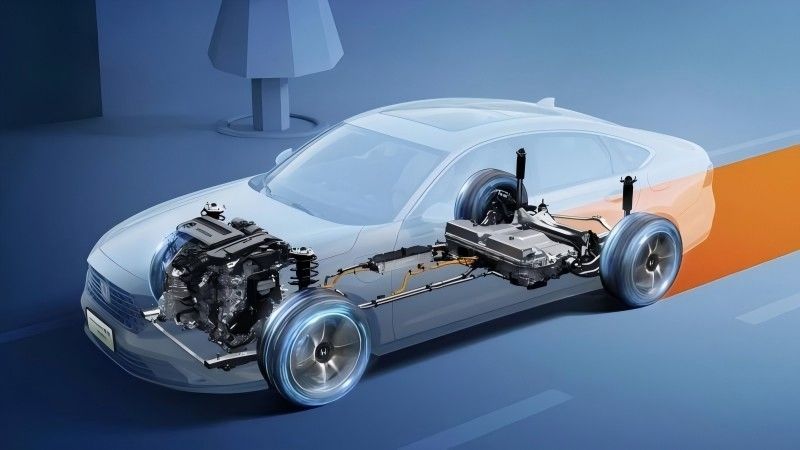
The core of hybrid vehicles lies in their dual power system: the internal combustion engine (gasoline or diesel) and the electric motor drive the car together. This design allows the vehicle to switch between different driving modes according to demand, mainly including the following three:
Pure electric mode: When the vehicle is driving at low speed, it only uses the electric motor to drive, and the fuel consumption is zero.
Hybrid mode: The internal combustion engine and the electric motor work together to improve energy utilization efficiency.
Engine mode: When driving at high speed or when the battery is low, it mainly relies on the internal combustion engine to provide power.
In addition, hybrid vehicles also have a brake energy recovery system, which converts the kinetic energy during braking into electrical energy and stores it in the battery, further improving the energy-saving effect.
Are hybrid vehicles really fuel-efficient?
Theoretical Fuel Saving Advantages
Hybrid models perform particularly well in urban traffic congestion and frequent start-stop road conditions thanks to the assistance of the electric motor. Compared to traditional fuel vehicles, hybrids can reduce or completely avoid engine start-up at low speeds, thus significantly reducing fuel consumption. According to statistics, the combined fuel consumption of hybrid vehicles is usually 30%-50% lower than that of conventional fuel vehicles in the same class.
Performance in the real world
Although the theoretical figures look attractive, the actual fuel consumption may be affected by the following factors:
Road conditions: Hybrids have a clear advantage in an urban environment with frequent starts and stops. However, when driving at a constant speed for a long period of time on the highway, the use of the internal combustion engine increases, and the fuel saving effect may not be as expected.
Driving habits: A gentle driving style is more conducive to energy saving in hybrid vehicles. An aggressive driving style, such as frequent hard acceleration and hard braking, will lead to higher fuel consumption.
Choice of vehicle: The design of hybrid systems varies greatly from brand to brand and model to model, and fuel consumption performance may also vary. For example, Toyota's THS hybrid system is known for its energy efficiency, while certain plug-in hybrids (PHEVs) may focus more on power performance.
The Hidden Costs of Hybrids
While hybrid models excel in gas mileage, their purchase and maintenance costs need to be considered as well:
Purchase costs: Hybrids typically sell for a higher price than conventional fuel vehicles, mainly due to the complexity of the battery and hybrid system.
Battery maintenance: Batteries in hybrids have a limited lifespan and usually need to be replaced once every 10 years or so, which can be expensive.
Maintenance costs: Although hybrids reduce the burden on the engine, their dual powertrains can be more complex to maintain.
Who is a good candidate for a hybrid model?

Whether a hybrid model is right for you depends on the individual's driving environment and budget:
Urban commuter: If you mainly commute short distances in the city, the fuel saving effect of hybrid vehicles will be very significant.
Environmentally conscious consumers: Hybrids have lower tailpipe emissions, which helps to reduce your carbon footprint.
Those with higher budgets: Those who are willing to pay a higher cost of ownership and are looking for long-term gas savings.
Hybrids do show significant fuel savings under certain conditions, especially on urban roads. However, whether they really save fuel also depends on individual driving habits and usage scenarios. If you wish to save money in the short term, a traditional fuel vehicle may be more economical; however, if you are pursuing environmental protection, economy in long-term use, and future technological trends, a hybrid vehicle is undoubtedly an option worth considering.
Before purchasing a hybrid model, it is recommended that you evaluate it rationally, taking into account your own needs, budget, and local policies (e.g., new energy vehicle subsidies or restriction policies). Whether or not a hybrid car saves gas is not just a matter of technology, but also a lifestyle choice.
Advertisement
Trending
-

- The secrets behind the star's lens: the secrets of the SLR cameras favored by movie actors
- 28 Jun,2024
-
- Leading the future of technology, your preferred smart device brands: banggood, tomtop, geekbuying.
- 18 Jun,2024
-
- Nike, Adidas, and New Balance: The Three Brands Behind This Year’s European Championship
- 14 Jun,2024
-
- Watching Watches Can Be Trendy: The Hottest Fashion Items of 2025
- 31 Mar,2025
-
- Exclusive Valentine's Day Coupons for Cherished Moments!
- 29 Jan,2024
-
- From Luxury to Practicality, the Latest Watch Selection Guide
- 3 Mar,2025
-
- 5 legendary red carpet jewels that made actresses "gods", the third one is worth a house!
- 31 Mar,2025
-
- 4 Must-Have Pieces of Jewelry for Spring 2025
- 24 Mar,2025








Advertisement